
From Garage Clutter to $340: How I Finally Sold My Unused Stuff (And You Can Too)
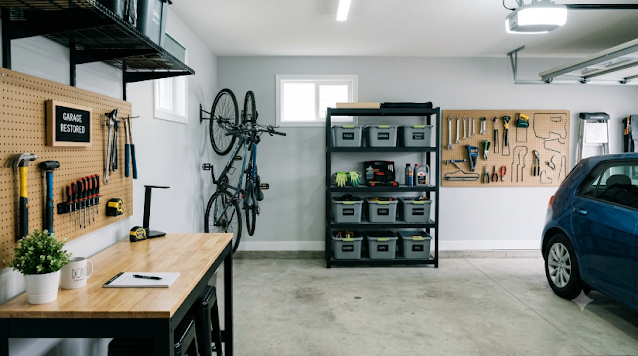
For eight months, four cardboard boxes sat untouched in the corner of my garage. Inside: a replaced stand mixer, a cordless drill with a missing battery, outgrown children's jackets, and camera gear from a hobby I'd abandoned. Every item worked. Every item had resale value. And every item remained unsold.
This isn't a story about procrastination. I genuinely wanted to sell these items—I'd even photographed them twice. The real problem? Everything that happens after you snap the photos.
The Hidden Time Trap Nobody Talks About
Ask most people why they haven't sold their unused belongings, and they'll say they don't have time. That's partially true, but it misses where the time actually disappears.
Why Listing Items Takes 20 Minutes Each
Take that drill sitting in your garage. To list it properly on eBay, you need:
- The model number (often rubbed off or illegible)
- Technical specifications like whether it's brushless
- Battery voltage and power source details
- Honest condition descriptions
- A title matching what buyers actually search for
- A realistic price point
- Multiple dropdown fields for brand, type, and other specifics
Skip those item specifics, and buyers filtering by brand or voltage will never even see your listing. That's twenty minutes per item on a good day—longer when you can't decipher the model number.
The Sub-$30 Problem That Kills Momentum
Here's the math that stopped me cold: the drill might sell for $45. The jackets? Maybe $12 each. When a listing takes twenty minutes and the item is worth twelve bucks, your brain does an instant hourly-rate calculation and files the entire project under "someday."
So the boxes sat. And sat. Which is, as far as I can tell, the normal condition of every garage on my street.
What Actually Changed My Approach
A friend who resells thrift store finds part-time mentioned she'd stopped writing listings by hand. Instead, she photographs everything in a Sunday morning batch, then runs each item's photos through holgo—a tool that reads the images and drafts the complete listing: title, description, category, item specifics, even a suggested price range. All before she finishes her coffee.
She still reviews every draft before publishing, but she hasn't typed a description from scratch in months.
I was skeptical, assuming it would generate generic fluff I'd have to rewrite anyway. What surprised me was the model number. I'd photographed the drill from five different angles, and one shot happened to catch the label. The tool pulled the brand and model from that photo, determined the voltage, and filled in the eBay fields I usually skip. The parts I'd normally get wrong were exactly what it got right.
My New Listing Workflow That Finally Stuck
After a few weekends of testing, my routine settled into something repeatable:









Artikel Terkait
KPK Jamin Status Mahasiswa Unsoed Aman dan Kuliah Tetap Normal di Tengah Kasus Dugaan Pemerasan
Kronologi Lengkap Pencopotan dan Penangkapan Lodewyk Pusung: Fakta Telepon Teddy Indra Wijaya hingga Sidang Praperadilan BGN
Wafa Ahdina Mundur dari Unhan demi Pertahankan Hijab: Kisah Lengkap di Balik Keputusan Besar
KPK Tetapkan 6 Tersangka OTT Unsoed: Rektor dan Wakil Rektor Terjaring Dugaan Pemerasan Seleksi Mandiri